
Navigating Global Recognition: Your Essential Guide to Apostille Service in Massachusetts
In our increasingly interconnected world, pursuing international opportunities, whether for education, work, family, or business, frequently requires the authentication of official documents. If you’re a resident of Massachusetts and planning to use important paperwork abroad, you’ll undoubtedly encounter the term “Apostille.” Finding a reliable and efficient apostille service in Massachusetts is important because it guarantees that your documents are legally recognized overseas, preventing costly delays and complications in your international endeavors.
An Apostille is much more than just a simple seal or stamp; it’s a specific certification placed on a document by a designated authority, most commonly a Secretary of State, that verifies the document is genuine and has been issued by a qualified official. This standardized form of authentication is recognized by countries that are part of the 1961 Hague Convention Abolishing the Requirement of Legalization for Foreign Public Documents, also known as the Apostille Convention. With over 110 countries now signatories to this agreement, they have collectively agreed to recognize apostilled documents as valid without the need for further, often cumbersome, embassy or consular legalization. This simplifies the process for individuals and businesses engaging in international transactions.
Understanding Apostille Requirements for Massachusetts Documents
While the Apostille Convention streamlines authentication globally, the specific process for obtaining one depends on where your document was issued. For any document originating from Massachusetts, the apostille service in Massachusetts must be performed by the Massachusetts Secretary of the Commonwealth. This distinction is vital: you cannot get a Massachusetts-issued birth certificate, for instance, apostilled by the Secretary of State in New York, nor by the U.S. Department of State (which handles federal documents only).
It’s equally important to note that not all documents require an Apostille. For example, documents used within the European Union (between member states) generally do not require an Apostille, as mutual recognition treaties often apply. Before you prepare your documents, it’s always advisable to double-check with the relevant authorities (e.g., the embassy, consulate, or the requesting party) in the country where you will be using the documents to find out their specific requirements. Consulting with a lawyer or a legal expert who has experience with Apostille procedures is also a beneficial idea, though a reputable apostille service in Massachusetts can often provide comprehensive guidance.
Documents You Can Apostille in Massachusetts
Not all documents are eligible for an Apostille. Only certain types of public or officially notarized documents can receive this certification. The apostille service in Massachusetts typically processes documents issued by government officials or notarized by a Massachusetts Notary Public.
- or Family Documents:
- Birth certificates (certified copies issued by the city/town clerk or the MA Registry of Vital Records).
- Marriage certificates (certified copies from the city/town clerk or the MA Registry of Vital Records).
- Death certificates (certified copies from the city/town clerk or the MA Registry of Vital Records).
- Divorce decrees (certified copies from an MA court).
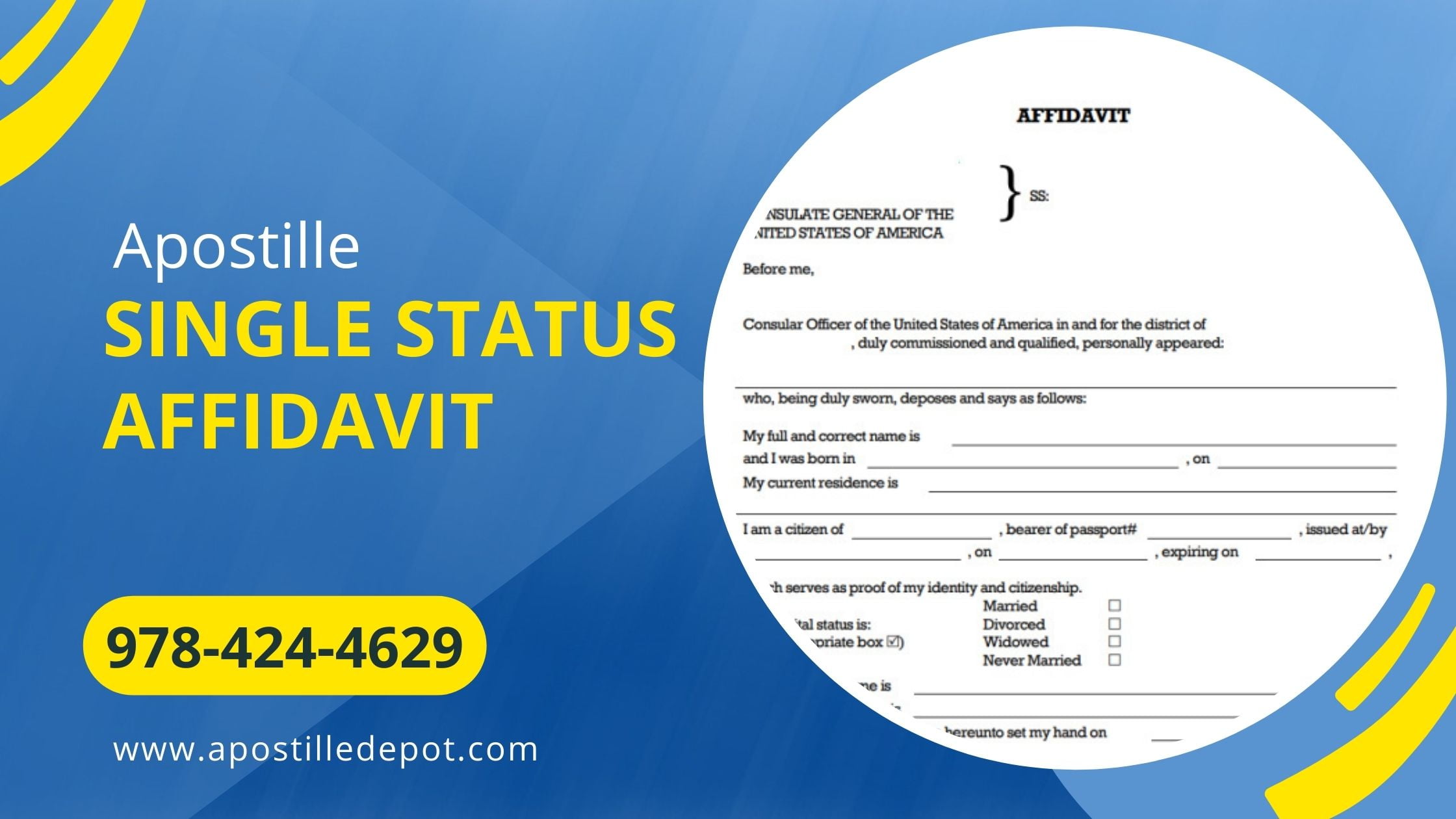
- Single status affidavits (notarized in MA).
- Power of attorney documents (notarized in MA).
- If notarized in Massachusetts, personal wills should also be included.
- Educational Documents:
- Academic diplomas and degrees (often require notarization by the school registrar or official).
- College transcripts frequently require notarization by the college registrar).
- Officially signed and notarized admission letters are required.
- Immigration Documents (State-Specific):
- CORI (Criminal Offender Record Information) reports from Massachusetts.
- If the documents are state-issued and notarized in Massachusetts, they form part of an adoption dossier.
- Legal Documents:
- Affidavits and other sworn statements (notarized in MA).
- Certified copies of court orders and judgments from a Massachusetts court are also acceptable.
- State-issued and notarized patents, trademarks, and other intellectual property documents are acceptable.
- Corporate Documents:
- The Articles of Incorporation/Organization require certified copies from the Massachusetts Secretary of the Commonwealth.
- The MA Secretary of the Commonwealth provides certified copies of the Certificates of Good Standing.
- The corporate secretary must certify and notarize the bylaws in Massachusetts.
- Any Notarized Document: It’s critical to note that if you are submitting notarized documents for Apostille, the notary public must have been officially authorized by the state of Massachusetts. Furthermore, the notary must have included their proper signature, their official seal or stamp, and the clear date of notarization. Any omission or error in the notarization will result in the document being rejected for an Apostille.

The Apostille Procedure: What to Expect
Apostille procedures can vary slightly depending on the country of destination and the specific type of document, but the core process for an apostille service in Massachusetts generally involves a few critical steps:
- Document Preparation: This is the most crucial stage. You must obtain the correct type of document. For vital records, this means an original, certified copy with a raised seal from the issuing city/town clerk or the Massachusetts Registry of Vital Records. For other documents, it often means ensuring it’s properly notarized by a Massachusetts Notary Public.
- Application and Fee: In most cases, you will need to submit the prepared original document, along with a completed application form specific to the Massachusetts Secretary of State, and the relevant fee.
- Submission: The document is then submitted to the Massachusetts Secretary of State‘s office for authentication.
- Processing: The Secretary of State’s office verifies the signature and seal of the issuing authority or the notary public.
- Apostille Issuance: Once verified, the apostille stamp is affixed directly to your document.
- Return: The apostilled document is then returned to you.
Making mistakes during this time-consuming process could result in significant delays and additional costs. That’s why many individuals and businesses in Massachusetts choose to use a professional apostille service in Massachusetts.
Why Opt for a Professional Apostille Service in Massachusetts?
While you can attempt the Apostille process yourself, navigating the specific requirements of the Massachusetts Secretary of State can be complex. A professional apostille service in Massachusetts simplifies this considerably:
- Expert Guidance: Professionals have extensive knowledge of the specific requirements for different document types and destination countries, ensuring your documents are prepared correctly the first time.
- Error Prevention: A reputable service will pre-screen your state, identifying and correcting any issues that could lead to rejection by the Secretary of State’s apostille office.
- Time Savings: Professionals can often expedite the submission process, potentially cutting down on the weeks it might take to process a mail-in application.
- Convenience: A service handles all the logistics, from form completion to submission and retrieval, saving you trips to government offices.
- Peace of Mind: Knowing your vital documents are handled securely and accurately by experts allows you to focus on your international plans rather than bureaucratic hurdles.
Key Considerations for Your Apostilled Documents
Once the document has been apostilled, it’s paramount to keep it in a safe place. This authenticated document is considered valuable and important, and the Apostille process itself can be time-consuming and costly to repeat if you lose or damage the document. Furthermore, always remember that an Apostille authenticates the signature and seal on a document, not its content. It doesn’t mean the content is true, only that the signee or notary is legitimate.
In summary, if you plan to use official documents in a foreign country, it’s absolutely crucial to know whether that country is part of the Hague Conveservice’s Massachusetts requirements, you can ensure that your documents will be accepted as valid, avoidings requirements, you can ensure that your documents will be accepted as valid, helping to avoid any unnecessary delays or complications in your international transactions. For comprehensive guidance and efficient processing, partnering with a knowledgeable apostille service in Massachusetts is the smartest choice to ensure your documents are properly apostilled and accepted by your destination country, saving you time, money, and significant stress.